No Storefront? No Problem: How Filipino-American Entrepreneurs Are Quietly Building Empires from Home
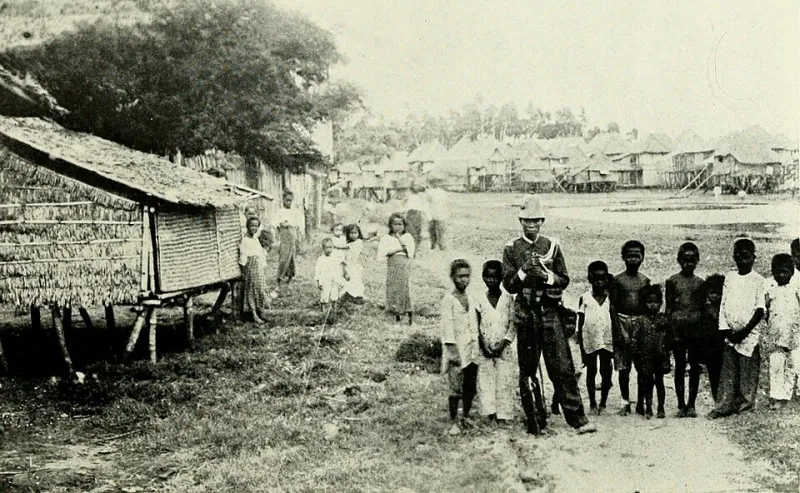
Photo: Internet Archive Book Images, No restrictions, via Wikimedia Commons
Walk down any main street in a Filipino-American neighborhood and you'll spot the obvious anchors — the bakery with the pandesal in the window, the remittance center with the Philippine flag sticker on the door, the salon with a steady Saturday crowd. But there's another layer of commerce humming just beneath the surface, one that doesn't show up on Yelp or have a parking lot. It runs through Facebook groups, text chains, neighborhood apps, and word-of-mouth networks that have been quietly operating for years.
This is the invisible economy — and it's anything but small.
The Kitchen as a Business Headquarters
For many Filipino-American entrepreneurs, the business started the way most great ideas do: someone needed something, and you happened to be really good at providing it.
Take home-based catering. Across cities like Daly City, Jersey City, and Waipahu, home cooks have turned weekend lechon orders and party trays into thriving side businesses — and in many cases, full-time income. With the rise of cottage food laws in states like California, Texas, and Florida, the legal pathway for selling homemade food has widened considerably. That's opened the door for entrepreneurs to move from feeding their own families to feeding entire communities.
The appeal is obvious: low overhead, flexible hours, and a built-in market. Filipino food — from kare-kare to cassava cake — carries deep cultural weight, and Filipino-American families consistently seek it out for birthdays, fiestas, graduations, and holidays. When a home cook can deliver that taste of home reliably and affordably, they're not just running a food business. They're filling an emotional need that no restaurant chain can touch.
Practical tip: If you're thinking about launching a home food business, start by researching your state's cottage food laws. Requirements vary widely — some states cap annual revenue, others restrict what types of food you can sell, and many require a food handler's certification. The Small Business Administration's website (sba.gov) has state-by-state resources to get you started.
Beauty, Wellness, and the Power of Trusted Hands
The Filipino-American community has long had a deep connection to the beauty and wellness industry. Walk into any nail salon in America and the cultural footprint is visible. But increasingly, a different kind of beauty professional is building their clientele — not inside a commercial salon, but through home studios, mobile services, and appointment-only setups that prioritize intimacy over volume.
Lash technicians, brow artists, estheticians, and hair stylists operating from home studios have found that Filipino-American clients especially value the personal connection. There's a comfort in knowing your technician — in being able to switch to Tagalog mid-conversation, in not having to explain your hair texture or skin tone from scratch every single time.
This trust translates directly into loyalty, and loyalty translates into referrals. In a home-based beauty business, one satisfied client can bring in five more. That organic growth model doesn't require a billboard or an Instagram ad budget — though a well-maintained Instagram profile certainly doesn't hurt.
Practical tip: If you're a licensed beauty professional considering a home studio setup, check your local zoning laws first. Many municipalities have specific rules about running client-facing businesses in residential areas. Some require a home occupation permit; others may restrict signage or the number of clients per day.
Tutoring, Coaching, and the Value of Cultural Context
Education has always been a priority in Filipino culture, and that value system has created a natural market for tutoring services. Filipino-American parents are often intensely invested in their children's academic success, and many are willing to pay for personalized support — especially when it comes from someone who understands the cultural expectations around achievement.
Bilingual tutors who can work with students in both English and Filipino, or who specialize in supporting English language learners from immigrant families, are particularly in demand. But the tutoring economy extends beyond K-12 academics. Filipino-American professionals are building coaching businesses around nursing exam prep (NCLEX), accounting certifications, and even college application consulting.
With platforms like Zoom, Google Meet, and dedicated tutoring marketplaces, the geographic limitations that once constrained a home-based tutoring practice have essentially disappeared. A tutor based in San Diego can work with a student in New Jersey, a family in Chicago, or a nursing graduate in Texas — all from the same desk.
Practical tip: If you're building an online tutoring or coaching practice, consider listing your services on platforms like Wyzant, Tutor.com, or even Thumbtack alongside your own website. Diversifying where you show up online increases your chances of being found by clients who don't already know you.
Handmade, Niche, and Proudly Filipino
Etsy, Shopify, and social commerce platforms have given Filipino-American artisans and crafters a global storefront that costs a fraction of what a physical retail space would. Sellers are moving everything from hand-embroidered barong Tagalog pieces to Filipino-themed stationery, resin art inspired by Philippine landscapes, and traditional woven goods sourced directly from artisan communities in the Philippines.
The niche is real, and the demand is consistent. Second and third-generation Filipino-Americans are increasingly interested in connecting with their heritage through the goods they buy, the food they eat, and the spaces they decorate. That cultural hunger is a business opportunity — and the entrepreneurs who are leaning into it are building brands with genuine staying power.
Beyond individual sellers, some entrepreneurs are building curated marketplaces and subscription boxes that spotlight Filipino-made or Filipino-inspired products. These businesses function as community amplifiers, giving multiple small makers a platform while building a loyal subscriber base.
The Real Infrastructure: Community Networks
What makes the invisible economy sustainable isn't just hustle — it's connection. Filipino-American entrepreneurs operating outside traditional storefronts rely heavily on community networks: Facebook groups dedicated to local Filipino businesses, neighborhood apps where word travels fast, and the deeply rooted cultural practice of bayanihan, or communal support.
When one person succeeds, they tend to bring others along. A caterer refers a client to a florist. A beauty professional recommends a seamstress. A tutor connects a family to a college counselor. These networks don't show up in a business directory, but they're often more powerful than any advertising campaign.
For aspiring home-based entrepreneurs, tapping into these networks is one of the most valuable first steps you can take. Join your local Filipino-American business association. Show up at community events. Be generous with your referrals. The invisible economy runs on trust — and trust is built one relationship at a time.
Thinking about starting a home-based business in your community? Philippine Main Street is here to help you find local resources, connect with other entrepreneurs, and get the word out. Reach out to us — we'd love to feature your story.