Scroll, Like, Buy: How Filipino-American Business Owners Are Turning Culture Into Clicks

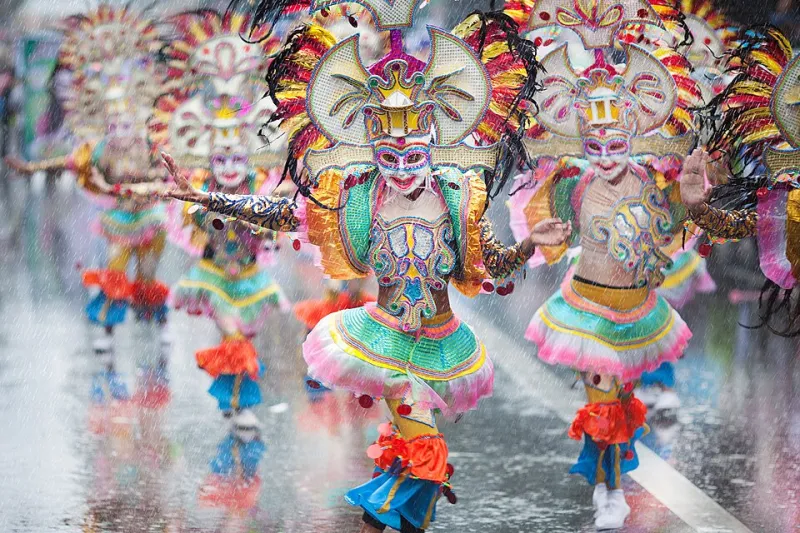
Photo: Gelynch52ph, CC BY-SA 3.0, via Wikimedia Commons
Here's a scene that probably sounds familiar: a small Filipino restaurant in the San Diego area posts a casual TikTok of the owner's mom hand-rolling lumpia for a Sunday catering order. No professional lighting. No script. Just a pair of practiced hands, a familiar kitchen smell you can almost feel through the screen, and a caption that reads, "She's been doing this for 40 years and she still won't let me help." Within 48 hours, the video has 200,000 views. The phone doesn't stop ringing for a week.
That's not a fluke. That's a pattern.
Across the country, Filipino-American business owners are discovering that their most powerful marketing asset isn't a paid ad campaign or a polished brand deck — it's the culture they've been living inside their whole lives. And on platforms like TikTok, Instagram, and Facebook, that authenticity is converting into something very real: customers, catering gigs, wholesale inquiries, and loyal communities that keep coming back.
Why Cultural Content Hits Different
Social media algorithms are obsessed with engagement, and engagement follows emotion. Content that makes someone laugh, feel nostalgic, or say "wait, that's exactly my family" tends to win — and Filipino-American business owners are sitting on a goldmine of that material.
There's a dual audience at play here, too. On one side, you've got the Filipino diaspora — first-gen immigrants, 1.5-gen kids, and second-generation Filipino-Americans who grew up code-switching between two worlds. For them, seeing a small business owner talk about the pressure of opening a shop to honor their parents, or watching a butcher break down a whole pig the way their lolo used to, is deeply validating. It says: you're seen here.
On the other side, mainstream American consumers are increasingly drawn to food and business stories rooted in specificity. Generic "family-owned business" messaging blends into the background. But a story about a Kapampangan family bringing their region's culinary traditions to the streets of Las Vegas? That's a hook.
The Strategies That Actually Work
Lead with the story, not the product. The businesses seeing the most traction on social aren't starting with "buy our food" or "book our service." They're starting with context — where the family came from, why they opened, what the dish means. The sale becomes a natural next step after the story lands.
One popular approach is what some Filipino-American creators call the "origin ingredient" video: a short-form piece that traces a single product — say, ube halaya, calamansi, or bagoong — from its roots in the Philippines to the jar or plate sitting in front of the camera. These videos consistently pull strong watch times because they're educational, visually interesting, and emotionally resonant all at once.
Behind-the-scenes family content outperforms polished ads. A Filipino-American bakery owner in the Chicago suburbs once told us she spent $800 on a professionally shot promotional video that got maybe 300 views. Then she posted a shaky iPhone clip of her teenage son reluctantly helping frost bibingka cakes on a Saturday morning, and it got 40,000. The caption was just: "He said he had plans."
Family dynamics — especially the humor and warmth of multigenerational Filipino households — translate beautifully on video. It's relatable to a wide audience and deeply personal to the Filipino community at the same time.
Facebook Groups still move the needle for service businesses. While TikTok and Instagram get most of the buzz, don't underestimate Facebook's role in Filipino-American commerce. Tight-knit community groups — often organized around a specific city, region of origin, or shared interest like "Pinoy Foodies in the DMV" — function almost like digital versions of the town plaza. Business owners who participate genuinely in these spaces (not just dropping promotional links) build reputations that translate directly into bookings and referrals.
Consistency beats perfection. The Filipino-American business owners who've built meaningful followings aren't necessarily the best videographers. They're the most consistent. Showing up three to five times a week with real, unfiltered content builds the kind of familiarity that makes followers feel like regulars before they've ever walked through the door.
Bridging Two Audiences Without Losing Either
One of the more nuanced challenges Filipino-American business owners navigate on social media is speaking to both their community and a broader American audience without watering down what makes their content special.
The trick, according to several business owners we've spoken with, is to explain without over-explaining. You can caption a video of kare-kare with "This is our oxtail peanut stew — my dad's version takes six hours and it's worth every minute" without launching into a Wikipedia-style description. You give the mainstream viewer enough context to be curious, and you give the Filipino viewer the nod that says you're not dumbing it down for the algorithm.
Tagalog and English code-switching in captions has also become a kind of signature for many Filipino-American social accounts. It signals authenticity to diaspora audiences while giving everyone else a small window into a world they might not know — which, in the attention economy, is exactly the kind of thing that makes someone stop scrolling.
Measuring What Matters
Growth on social media means different things for different businesses. For a restaurant, it might be tracked in reservation volume or walk-in mentions of a specific viral post. For a home-based food business, it shows up in DM inquiries and pre-order sellouts. For a service provider — a photographer, event planner, or beauty professional — it often appears as a surge in consultation requests after a particularly relatable post.
The businesses that get the most out of their social presence are the ones treating it less like a billboard and more like a conversation. They respond to comments. They reshare customer photos. They ask their followers questions. Over time, that interaction builds a community that markets the business for them — and in a tight-knit culture that's always run on word of mouth, that's not a new concept. It's just moved online.
Your Main Street, Your Story
You don't need a social media manager or a content calendar with color-coded columns to make this work. You need your phone, your story, and the willingness to let people in. The Filipino-American businesses thriving on social right now aren't winning because they figured out some secret algorithm hack. They're winning because they stopped hiding the thing that makes them different and started sharing it.
The culture was always the asset. Social media just gave it a stage.